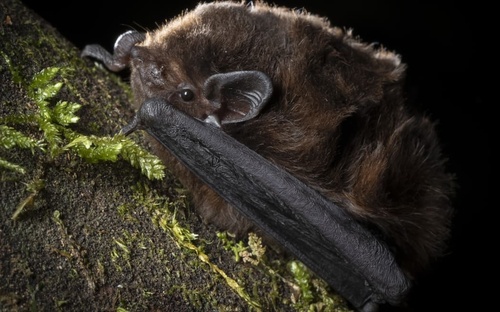
New Zealand Long-tailed Bat
Chalinolobus tuberculatus
Conservation Status
Critically EndangeredMammalia · Chiroptera · Vespertilionidae
About
Chalinolobus tuberculatus, known more commonly as the New Zealand long-tailed bat, the long-tailed wattle bat or pekapeka tou-roa, is a small insectivorous mammal within the genus Chalinolobus. The long-tailed bat is one of 7 species belonging to the genus Chalinolobus, which are commonly referred to as "wattled bats," "pied bats" and "long-tailed bats." The genus Chalinolobus is characterised by fleshy lobes located on their lower lips and at the bottom of their ears. Some zoologists claim there is overlap between the Chalinolobus genus and the Glauconycteris genus.
Fun Fact
The long-tailed bat is closely related to 6 other species of wattled bats found in Australasia, namely Gould's wattled bat (Chalinolobus gouldi), the largest of the species belonging to the Chalinolobus genus.
Quick Facts
Habitat
Endemic to the islands of New Zealand.
Diet
Insectivore
Lifespan
7–11 years
Threats
- Habitat Destruction
- Pollution
- Invasive Species
- Over-Collection
- Climate Change