Star-nosed Mole
Condylura cristata
Conservation Status
Least ConcernMammalia · Eulipotyphla · Talpidae
About
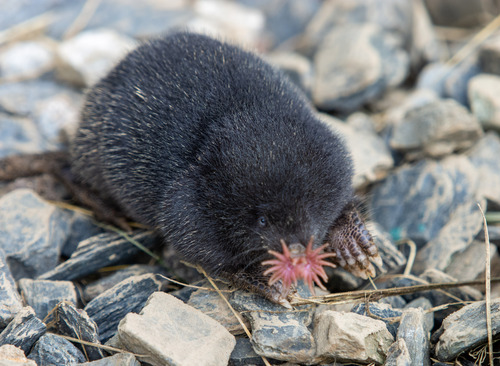
The star-nosed mole is a small semiaquatic mole found in moist, low elevation areas in the northeastern parts of North America. It is the only extant member of the tribe Condylurini and genus Condylura. It has more than 25,000 minute sensory receptors in touch organs, known as Eimer's organs, with which this hamster-sized mole feels its way around. With the help of its Eimer's organs, it may be perfectly poised to detect seismic wave vibrations.
Fun Fact
Star-nosed moles have 22 fleshy tentacles around their nose containing over 100,000 nerve fibres — six times more touch receptors than in a human hand — and they can identify and eat food in as little as 120 milliseconds.
Quick Facts
Habitat
Wetlands and moist soils
Diet
Insectivore
Lifespan
3-4 years
Threats
- Dam Construction
- Wetland Drainage