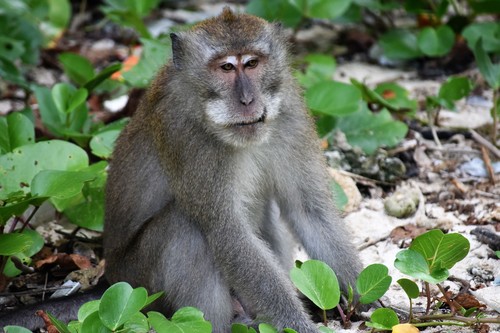
Crab-eating Macaque
Macaca fascicularis
Conservation Status
Least ConcernMammalia · Primates · Cercopithecidae
About
The crab-eating macaque, also known as the long-tailed macaque or cynomolgus macaque, is a cercopithecine primate native to Southeast Asia. As a synanthropic species, the crab-eating macaque thrives near human settlements and in secondary forests. The crab-eating macaque has developed attributes and roles assigned to them by humans, ranging from cultural perceptions as being smart and adaptive, to being sacred animals, being regarded as vermin and pests, and becoming resources in modern biomedical research. It has been described as a species on the edge, living on the edge of forests, rivers, and seas, at the edge of human settlements, and perhaps on the edge of rapid extinction.
Fun Fact
Crab-eating macaques on certain Thai islands have entered their own Stone Age — they use stone tools to crack open shellfish and nuts, and tool techniques vary between island populations like cultural traditions.
Quick Facts
Habitat
Forests and mangroves
Diet
Omnivore
Lifespan
25-30 years
Threats
- Illegal Logging
- Deforestation