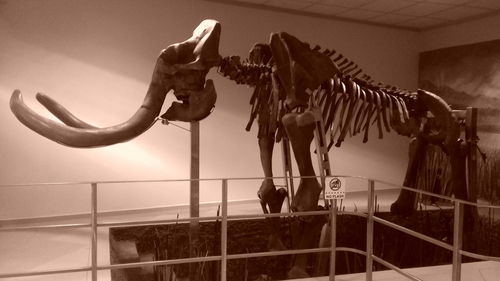
Columbian Mammoth
Mammuthus columbi
Conservation Status
Data DeficientMammalia · Proboscidea · Elephantidae
About
The Columbian mammoth is an extinct species of mammoth that inhabited North America from southern Canada to Costa Rica during the Pleistocene epoch. The Columbian mammoth descended from Eurasian steppe mammoths that colonized North America during the Early Pleistocene around 1.5–1.3 million years ago, and later experienced hybridisation with the woolly mammoth lineage. The Columbian mammoth was among the last mammoth species, and the pygmy mammoths evolved from them on the Channel Islands of California. The closest extant relative of the Columbian and other mammoths is the Asian elephant.
Fun Fact
short tons) in weight, the Columbian mammoth was one of the largest species of mammoth, larger than the woolly mammoth and the African bush elephant.
Quick Facts
Habitat
Inhabited much of North America, ranging from southern Canada to Central America (where it was largely confined to the vicinity of the Pacific coast), with its southernmost record being in northern Costa Rica.
Diet
Consume greater proportions of non-traditional foods during periods of significant environmental change.
Lifespan
65-80 years
Threats
- Habitat Change
- Human Disturbance