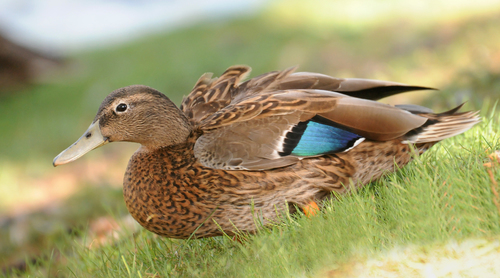
Hawaiian Duck
Anas wyvilliana
Conservation Status
VulnerableAves · Anseriformes · Anatidae
About
The Hawaiian duck or koloa is a species of bird in the family Anatidae that is endemic to the large islands of Hawaiʻi. Taxonomically, the koloa is closely allied with the mallard. It differs in that it is monomorphic and non-migratory. As with many duck species in the genus Anas, Hawaiian duck and mallards can interbreed and produce viable offspring, and the koloa has previously been considered an island subspecies of the mallard. However, all major authorities now consider this form to be a distinct species within the mallard complex. Recent analyses indicate that this is a distinct species that arose through ancient hybridization between mallard and the Laysan duck. The native Hawaiian name for this duck is koloa maoli, or simply koloa. This species is listed as vulnerable by the IUCN Red List of Threatened Species, and its population trend is increasing.
Fun Fact
Hawaiian ducks were found on the hottest coasts with suitable ponds as well as in the mountains that were up to 7,000 feet (2,130 m) high.
Quick Facts
Habitat
Found residing in the tall, wetland grasses and streams near the Kohala volcano on the main island of Hawaiʻi.
Diet
Diet consists of freshwater vegetation, mollusks, insects, and other aquatic invertebrates.
Lifespan
To be updated
Threats
- Habitat Degradation
- Overexploitation
- Invasive Species
- Climate Change