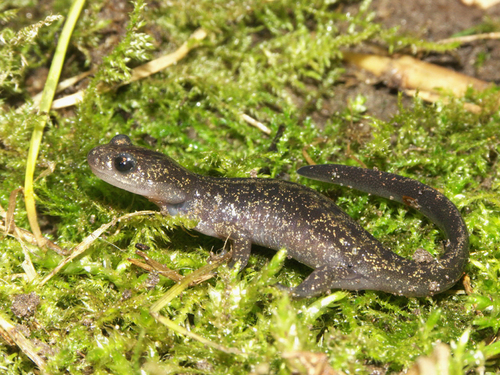
Hokkaido Salamander
Hynobius retardatus
Conservation Status
Least ConcernAmphibia · Caudata · Hynobiidae
About
The Ezo salamander, also known as the Hokkaido salamander, Noboribetsu salamander, or Ezo Sanshouo in Japanese is a species of salamander in the family Hynobiidae. Prior to 1923, the species was also classified by the binomial scientific name Satobius retardatus. H. retardatus is endemic to Japan's northernmost prefecture, the island of Hokkaido. The species is a pond-type salamander, and its natural habitats are temperate forests, temperate shrubland, swamps, freshwater marshes, intermittent freshwater marshes, freshwater springs, irrigated land, canals, and ditches.
Fun Fact
Hokkaido salamanders survive in icy subarctic streams by drastically slowing their metabolism, remaining active under ice at temperatures near freezing.
Quick Facts
Habitat
Lives in alpine forests and grasslands only on the island of Hokkaido, and is not found on any of the surrounding islands.
Diet
Feed on invertebrates like snails and worms.
Lifespan
To be updated
Threats
- Habitat Change
- Human Disturbance